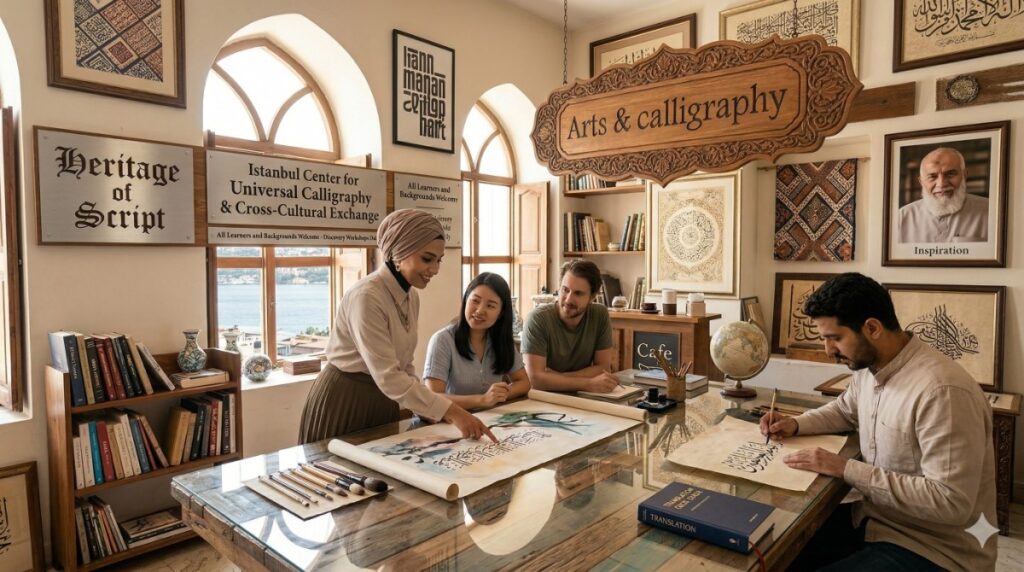
Exploring Islamic Heritage with Depth and Clarity
Alsalamworld is a third-party digital magazine designed to help readers discover and explore Islamic heritage through trusted voices and institutions across the world.
- Trusted global sources
- 1,400+ years of Islamic history
- Covering cultures, scholars & institutions
OUR ROLE
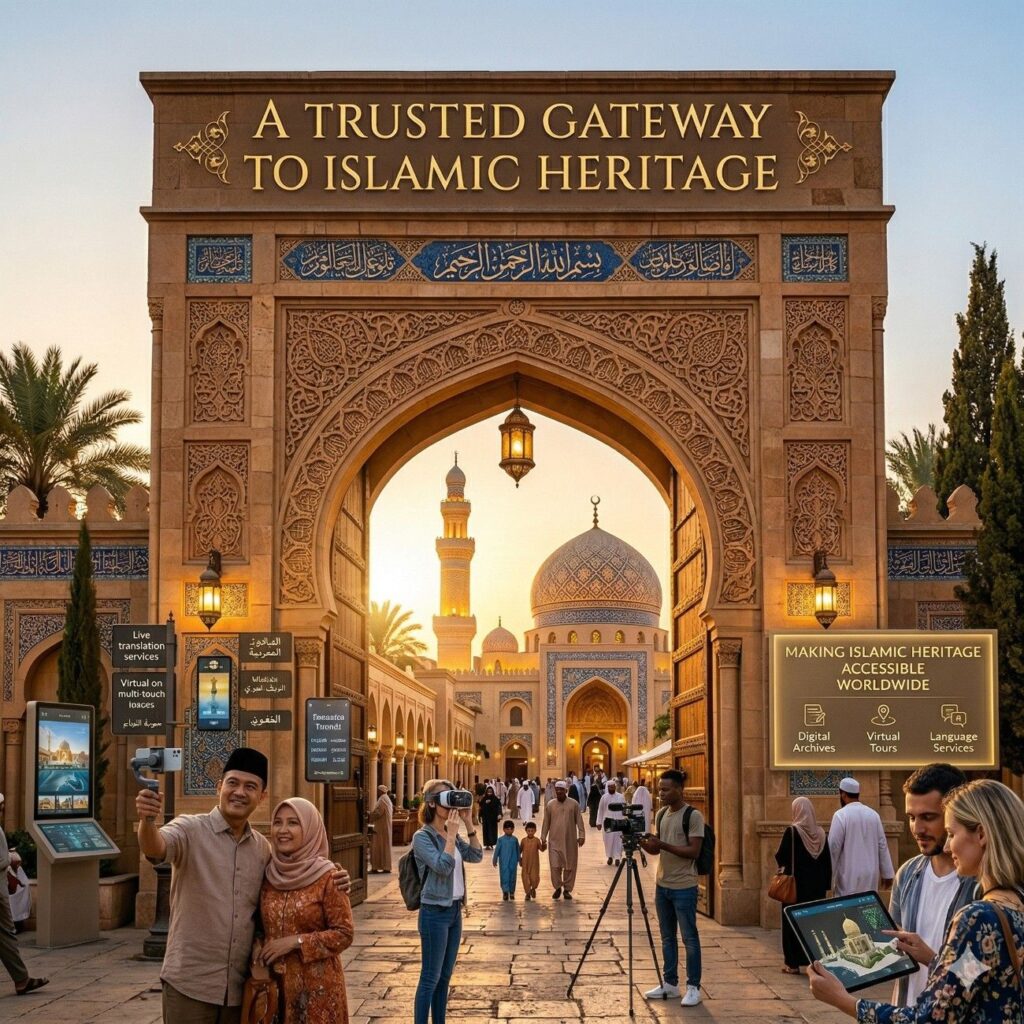
A Trusted Gateway to Islamic Heritage
Alsalamworld is not a single-source publisher—we are a neutral discovery platform.
We connect readers to:
- Scholars and researchers
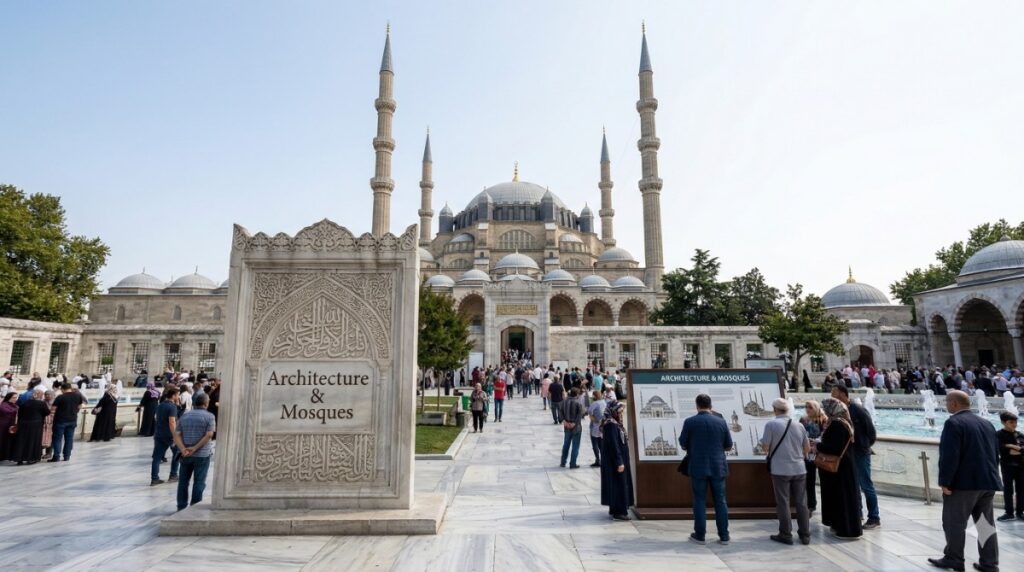
- Mosques and cultural institutions
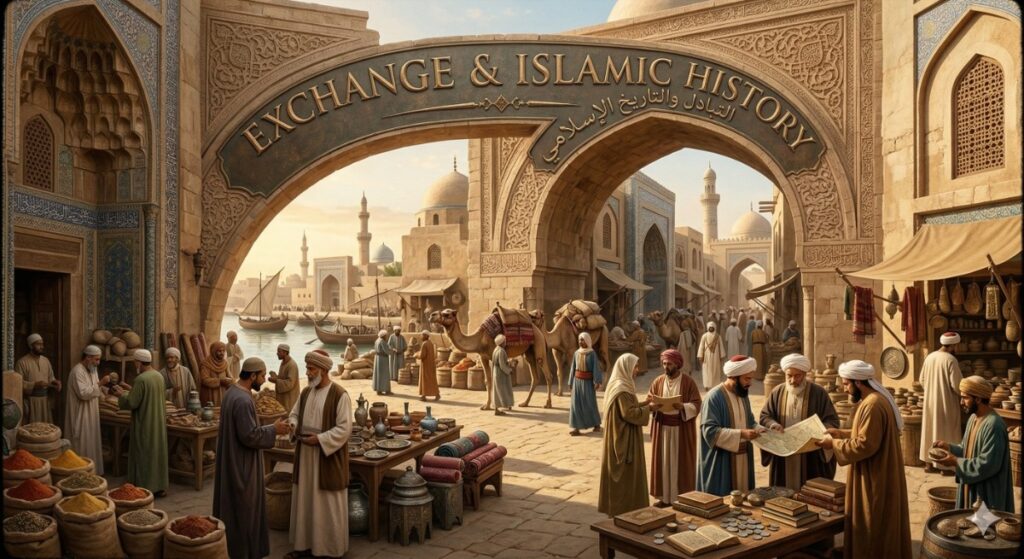
- Historical archives and Islamic manuscripts
- Communities preserving Muslim cultural traditions
We organize this knowledge into a clear, structured experience that helps users explore Islamic history and its role in global cross-cultural heritage.
Our Vision
To become the leading global gateway for discovering Islamic heritage, connecting knowledge across cultures, generations, and communities.
OUR MISSION
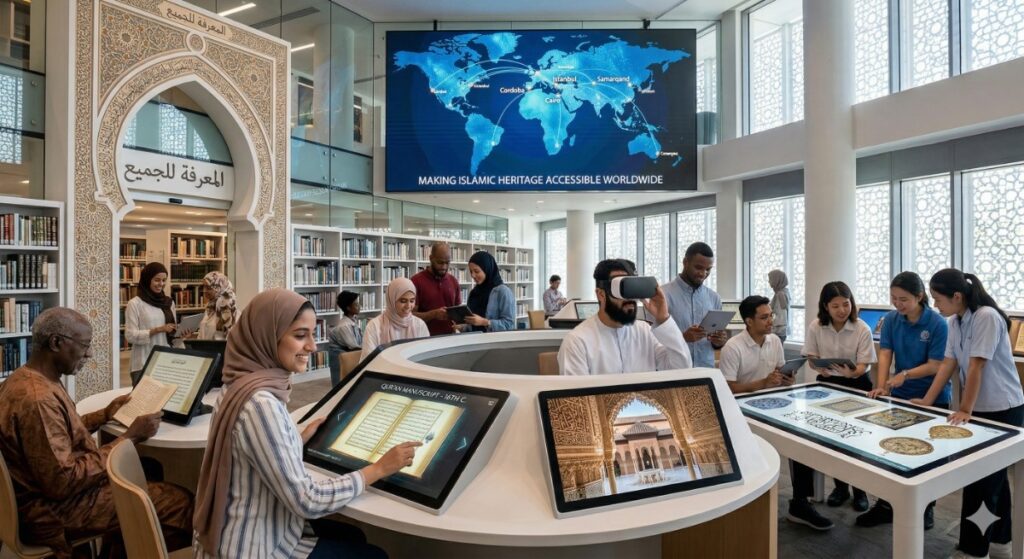
Making Islamic Heritage Accessible Worldwide
Our mission is to make Islamic heritage easier to discover, understand, and explore.
We do this by:
- Curating trusted insights on Islamic history
- Highlighting global Muslim cultural traditions
- Connecting users to real-world institutions and scholars
- Preserving knowledge from Islamic manuscripts
- Presenting Islam within global cross-cultural heritage
Explore Islamic Heritage by Topic
Our Editorial Standards
Accurate, neutral, and transparent
Content supported by Islamic manuscripts and recognized scholarship
Real engagement with Islamic sources and communities
Contributors with knowledge in Islamic history and cultural studies
What is the Golden Age in Islam?
Often cited as the pinnacle of Islamic civilization, the Islamic Golden Age (8th–14th century) was a period of unprecedented intellectual growth. Centered in hubs like Baghdad’s House of Wisdom, scholars made massive contributions to:
Science & Mathematics: The invention of Algebra by Al-Khwarizmi and advancements in optics.
Medicine: Ibn Sina’s Canon of Medicine became the standard European textbook for centuries.
Philosophy: Preserving and expanding upon Ancient Greek texts, bridging the gap between antiquity and the Renaissance.
What are the 7 basic beliefs of Islam?
While many are familiar with the Five Pillars, the "Articles of Faith" (Iman) form the theological bedrock of Islamic heritage. These seven core tenets include:
Belief in Allah: The absolute Oneness of God (Tawhid).
Belief in Angels: Spiritual beings like Jibril (Gabriel).
Belief in Divine Books: Including the Torah, Psalms, Gospel, and the final Quran.
Belief in Prophets: From Adam to Muhammad, including Noah, Abraham, Moses, and Jesus.
Belief in the Day of Judgment: Accountability for one's actions in the afterlife.
Belief in Divine Decree (Qadar): God's supreme knowledge and will.
Belief in Resurrection: Life after death.

Where were Muslims originally from?
Geographically, the origins of Islam are rooted in the Hejaz region of the Arabian Peninsula, specifically the cities of Mecca and Medina.
Historical Context: It began in the 7th century after the Prophet Muhammad received his first revelation.
Cultural Evolution: While originally an Arab-centric movement, the faith rapidly expanded through trade and migration. Today, the "heritage" is global; the largest Muslim populations now reside in Indonesia, Pakistan, and India, proving that Islamic identity transcends its original Middle Eastern borders.
References
Al Zidjaly, N. (2017). Mental health and Islamic religion online: An intertextual analysis. Linguistik Online, 87(4).
Early Muslim Historians. (n.d.). Muslim Heritage.
Lapidus, I. M. (2014). A History of Islamic Societies. Cambridge University Press.
The Origins of Islam in the Arabian Context. (n.d.). Islam Awareness.
Yugo, T., & Saepudin, A. (2024). The Transformation of Islamic Civilization: A Historical Analysis of the Classical Period and the Golden Age. Khazanah: Jurnal Sejarah dan Kebudayaan Islam, 14(2), 1–15.